The wedding journal
Wedding planning
& inspiration,
with you in mind.
Clear plans. Considered details. Meaningful words. Ideas for a wedding that feels personal from the first invitation to the last dance.
Start with a thoughtful planA guide to gathering well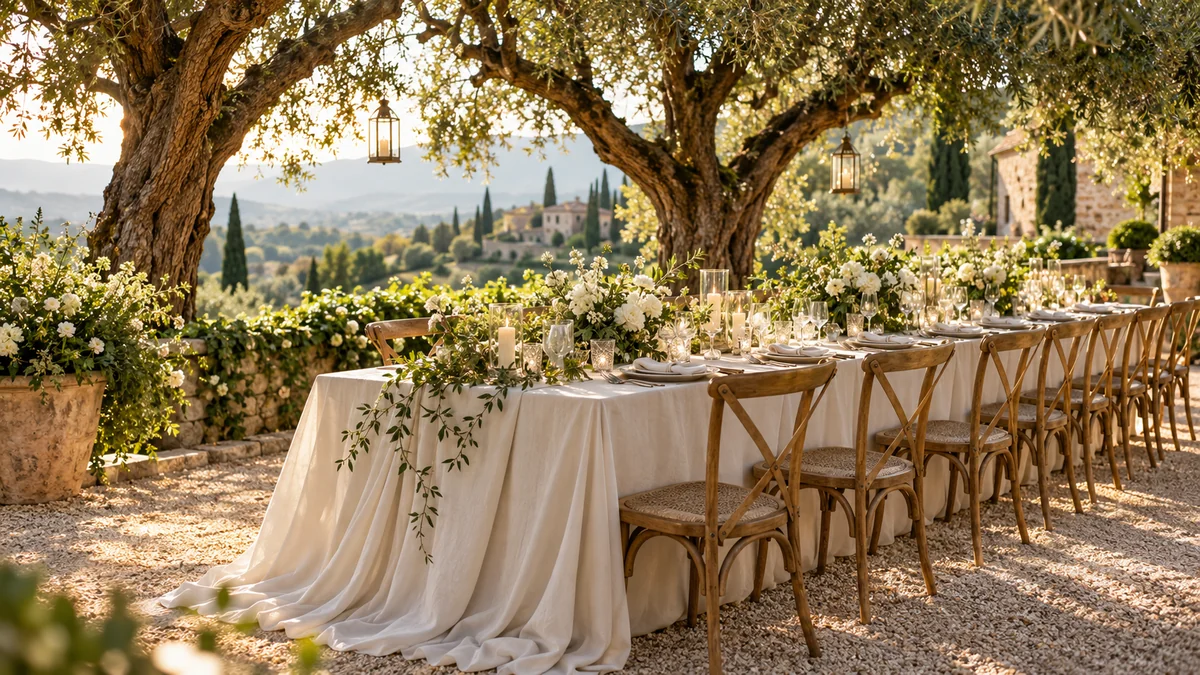
Begin here
Three guides for the first decisions
Make the foundations feel clear.

Planning a celebration that feels like you
A wedding brings together a relationship, a gathering, and a set of practical decisions. The gathering might be a small lunch after a civil ceremony or a full evening with music and many guests. Neither needs to follow someone else's picture of the perfect day. Start with the people you want beside you and the experience you want to share, then build the arrangements around those answers.
Wilshire Wedding publishes planning guides, wording ideas, and thoughtful inspiration for that process. Our focus is the connection between a lovely detail and the job it needs to do: an invitation that helps guests arrive, a venue that works for your group, a timeline that leaves room to eat, and personal touches you will still value when the room has been cleared. Use the guides as working tools, adapting each suggestion to your location, traditions, and budget.
Plan in the order decisions depend on each other
Define the day before choosing its details
Each partner can begin with a short list of priorities. Perhaps you want time with every guest, a ceremony in a meaningful place, or an excellent meal. Compare the lists and write a shared description of the celebration. That description gives you a way to make choices later. If conversation matters most, a room with several quiet seating areas may serve you better than a larger space built around a stage.
Decide what you can spend without relying on uncertain contributions. Have direct conversations with anyone offering financial help and record what has been agreed. A budget is a boundary for decisions, not a prediction that every quotation will fit. Keep an unassigned amount for the changes most likely in your particular plan, whether that means transport, additional rentals, or a weather alternative.
Connect the guest list to the setting
Draft the guest list using names, not a rough number that expands after booking. Discuss children and plus-ones together. The list affects the room, meal, stationery, and transport; it should be part of the venue brief. Ask a venue for capacity in your actual arrangement, including service areas and a dance floor if you want one. A stated maximum does not necessarily describe a comfortable seated dinner.
Once the location and date are confirmed, book the people whose availability matters most. Give suppliers the same outline so proposals are comparable. Keep agreements, inclusions, payment dates, and contact information in one place. Our wedding planning checklist follows this sequence from early priorities to the final handoff, with tasks that can be compressed for a shorter engagement.
Leave guest-dependent details until the answers arrive
You can decide on a stationery style early, but the final seating chart depends on responses. You can choose a menu format before confirming each dietary arrangement. Separating decisions from production prevents unnecessary reprinting and last-minute work. Make a short list of what can be finished now and what must wait for another person or supplier to reply.
For couples planning without a professional coordinator, responsibilities matter as much as deadlines. Assign a person to receive deliveries, check the setup, and collect personal items afterward. Asking a relative for help works best when the task is specific and they have agreed. “Help with the wedding” can mean very different things to different people.
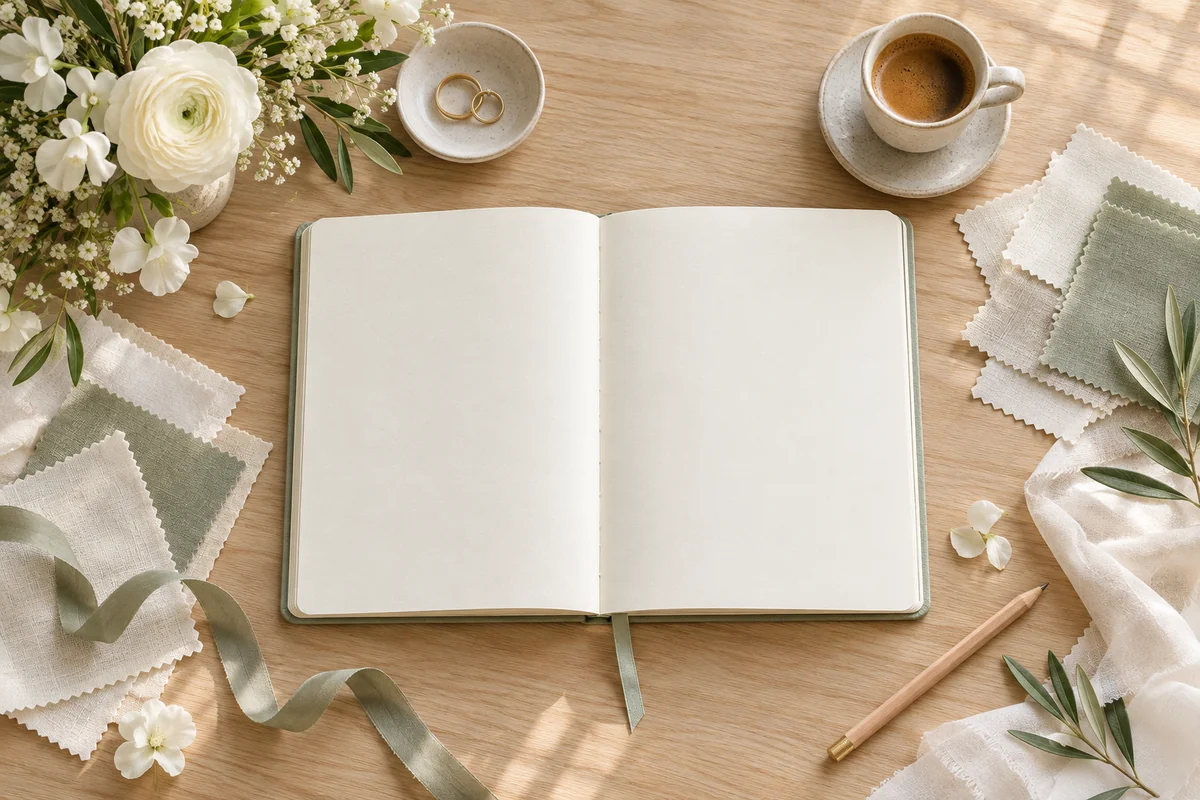
Ideas for the day.
Details for real life.
Find inspiration in the setting, season, and people
Let the room do some of the work
A distinctive venue often needs less decoration than an empty space. Look at its materials, natural light, and existing colors before choosing a palette. Dark wood might suit cream linens and a small amount of greenery. A bright courtyard may need shade and comfortable seating more than a large floral installation. Match your design to how people will use the room, rather than treating the setting as a backdrop to hide.
When collecting photographs, note what you actually like about each one. Is it the low arrangement that allows conversation, the color contrast, or the relaxed way guests are seated? That observation is more useful to a florist or rental supplier than a folder of unrelated images. It also makes it easier to choose an affordable alternative when the exact object is unavailable.
Use seasonal ideas with realistic expectations
Season can influence light, comfort, flowers, and clothing. Ask local suppliers which materials suit your date and location rather than assuming a photographed bloom will be available. If a particular flower is important, discuss substitutions that preserve its color or shape. An arrangement can keep the same mood without copying every stem.
Outdoor celebrations need more than a weather forecast. Think about shade, ground conditions, drinking water, wind, and the route to an indoor alternative. Guests may be dressed for a photograph but still need somewhere comfortable to sit. A practical comfort plan lets the atmosphere you imagined survive ordinary changes in the day.
Give the ceremony space to feel personal
Choose readings, music, and rituals because they mean something to you and are appropriate for your ceremony. Ask the officiant about permitted choices before printing a program. Give readers the text early, including pronunciation notes where useful. A shorter reading delivered confidently can carry more feeling than a long piece that someone encounters for the first time at the lectern.
If joining family traditions, ask the people who know them how they should be represented. Explain unfamiliar elements briefly so guests can participate respectfully. You do not need a new ritual simply because it would create a striking photograph. Personal meaning can be as simple as a familiar song, an heirloom used carefully, or a quiet moment together before the ceremony.
Invitations, greetings, and the words guests remember
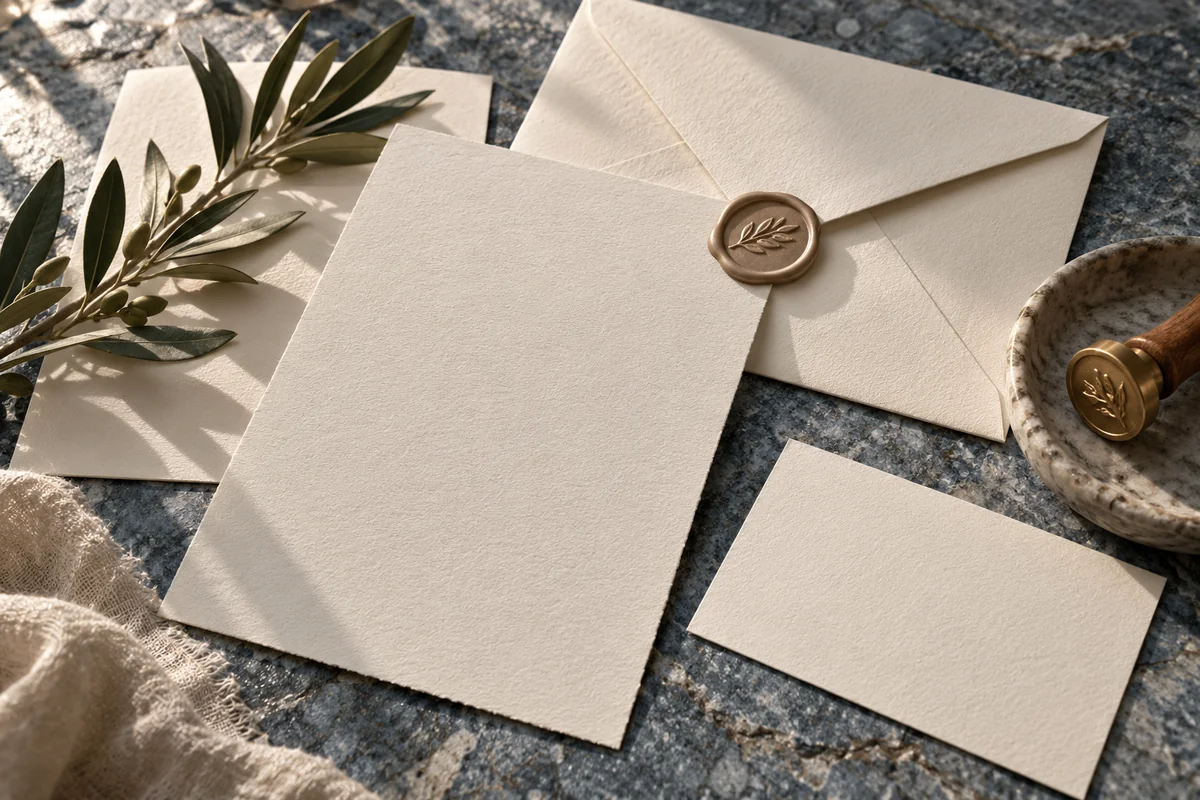
An invitation begins the guest experience. It should clearly name the event, date, time, location, and response method. The tone can reflect the celebration, but useful details should not disappear into decorative language. Separate the main invitation from travel instructions or meal questions when the card starts to feel crowded. Our wedding invitation wording guide includes formal, relaxed, and reception-only examples.
Set the reply deadline around the caterer's final-number deadline and give yourself time to follow up. Use one guest record even when replies arrive through several channels. Check each household's invited names, attendance, and any details the suppliers need. A calm personal reminder is more effective than hoping an unanswered invitation will resolve itself.
Wedding wishes call for a different kind of clarity. A good message identifies the couple, says something sincere, and offers a wish that fits their life. A colleague can write two warm lines; a sibling may include a memory. Neither should feel pressured to write a poem. Our meaningful wedding wishes guide shows how to make a note specific without exposing private stories or relying on jokes that may age badly.
Communication also includes the difficult practical sentences: whether children are invited, where transport departs, or how someone can share an access requirement. Say these things directly and kindly. Vague hints place the burden on guests to guess. If a facility or service is still being arranged, confirm it before making a promise in print.
Ideas for the day.
Details for real life.
Editor’s picks
The details
that stay with you.
A message with meaning. An object with a story. A little room to enjoy the day.
People & meaning
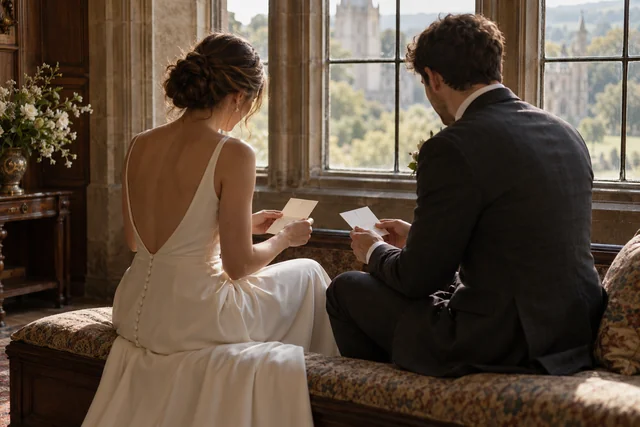
A few words they will want to keep
Write a personal wedding message with original examples for friends, family, and colleagues, plus advice on tone, blessings, and what to leave out.
Style & details
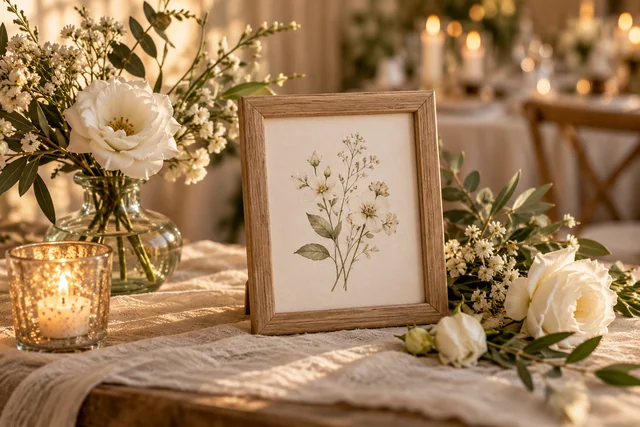
Personal details with a purpose
Choose meaningful wedding décor, printed details, and keepsakes with a practical guide to readability, proofing, installation, and collection.
Personal wedding details worth keeping
Begin with a purpose, then choose the object
An object can serve the day, preserve a memory, or do both. Programs help guests follow a ceremony. Place cards reduce confusion at dinner. A framed print can become part of your home. Before ordering, ask what the item does and who will want it afterward. This small test helps prevent a shopping list from growing simply because customization is available.
Choose one or two visual threads connected to your relationship. A botanical drawing might refer to a place you visit together; a short original line might come from your vows. Repeat the idea lightly across printed details. Our personalized wedding décor and keepsake guide compares useful options and explains how to plan proofing, installation, and collection.
Test the detail in its real setting
Print a sample at full size. Read it under similar lighting and from the distance a guest will stand. Place decoration beside plates and glasses rather than on an empty table. Ask the venue where displays can stand without blocking movement. A personal touch should make the experience warmer, not harder to use.
Borrowed family pieces need a return plan. Record who owns each object and what handling they permit. Use copies of delicate photographs when appropriate. Pack sentimental items separately from rental returns and disposable decoration. The care taken after the reception is part of respecting the story an object carries.
Choose a venue for the whole celebration
A venue tour should include the entrance, dining arrangement, bathrooms, waiting spaces, and backup room. Walk the same route a guest would use. Ask specific questions about steps, surfaces, and doors, then discuss individual access requirements directly where needed. A general description of accessibility cannot answer every guest's needs.
Request a proposal that includes your date, numbers, meal format, and required extras. Compare staffing, furniture, setup, cleanup, taxes, and any minimum spend. A lower hire price may not mean a lower total. Before paying a deposit, check that the agreement and proposal describe the same spaces, access times, and responsibilities. Our guide to choosing a wedding venue provides a tour framework and comparison table.
Also look beyond the building. How will people arrive, leave, and find somewhere to stay? If transport is booked, give clear instructions and name the person checking departures. If guests arrange their own travel, share reliable location information and avoid assuming a remote setting will have readily available taxis late at night.

Ideas for the day.
Details for real life.
A wedding day with room to breathe
Build the timeline around the ceremony, meal service, venue deadlines, and travel. Ask the professionals carrying out those parts to check the sequence. Allow time for changing rooms, boarding vehicles, finding seats, and ordinary conversations. A schedule that includes only formal events will be late before anything unusual happens.
Protect meals and a brief pause for yourselves. Choose a manageable photograph list and give a helper the names of the people required. Let speakers know their allotted time. The sample wedding day timeline shows how these pieces fit around a late-afternoon ceremony, with reminders about what must be confirmed locally.
Guests need a simple outline; suppliers need detailed instructions. Keep one master schedule and create shorter versions from it. If a time changes, update everyone affected and identify the current version. A designated contact can solve routine questions while you remain present for the celebration.
The journal
Latest wedding guides
Six useful places to start.
Words & etiquette
The invitation, thoughtfully worded
People & meaning
A few words they will want to keep
Style & details
Personal details with a purpose
The wedding day
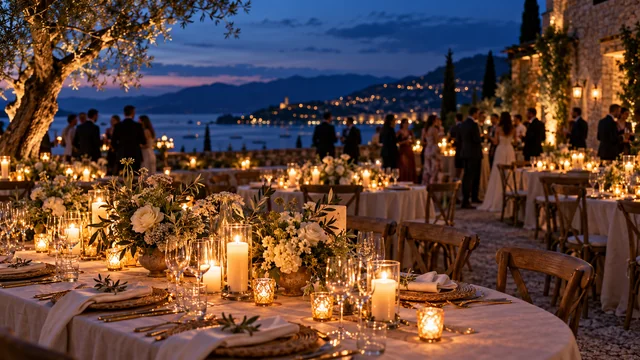
A day with room for the good moments
Practical wedding advice to use this week
- Make one shared planning record. Keep commitments and dates together so two people do not pay the same balance or approve different proofs.
- Check costs in full. Record delivery, service, setup, and collection when comparing proposals, not just the item price.
- Read a printed sample. Invitations and signs need to work at their finished size, under the light where people use them.
- Plan for comfort. Think about seating, shade, water, bathrooms, dietary arrangements, and a quieter place to take a break.
- Confirm responsibilities. Every delivery, room reset, and collection should have a person who knows they are responsible.
- Preserve the important pieces. Ask someone to save a clean program, your personal notes, and the objects you want returned home.
Choose one action from this list rather than trying to finish everything in an evening. If your date is close, prioritize the decisions that affect safety, attendance, food, and the ceremony before optional decoration. When a detail becomes more work than value, simplifying it is a valid planning decision.
About Wilshire Wedding
Wilshire Wedding is a wedding planning and inspiration publication for couples, families, and guests who want useful ideas without an endless list of things to buy. We publish practical explanations, original wording examples, and design considerations that can be adapted to different celebrations. We do not book venues or act as a wedding planning service.
Our articles distinguish suggestions from facts that need direct confirmation. Prices, availability, venue rules, and legal requirements should be checked with the responsible provider or authority. Illustrative images help communicate an atmosphere; they are not photographs of reviewed venues or documented weddings. Read about the publication and our editorial policy for more about the content and its limitations.
A celebration can be carefully planned without becoming a performance of every wedding idea online. Make the information clear, the arrangements comfortable, and the details meaningful to you. Leave enough room for the people who make the day worth organizing.